
Introduction
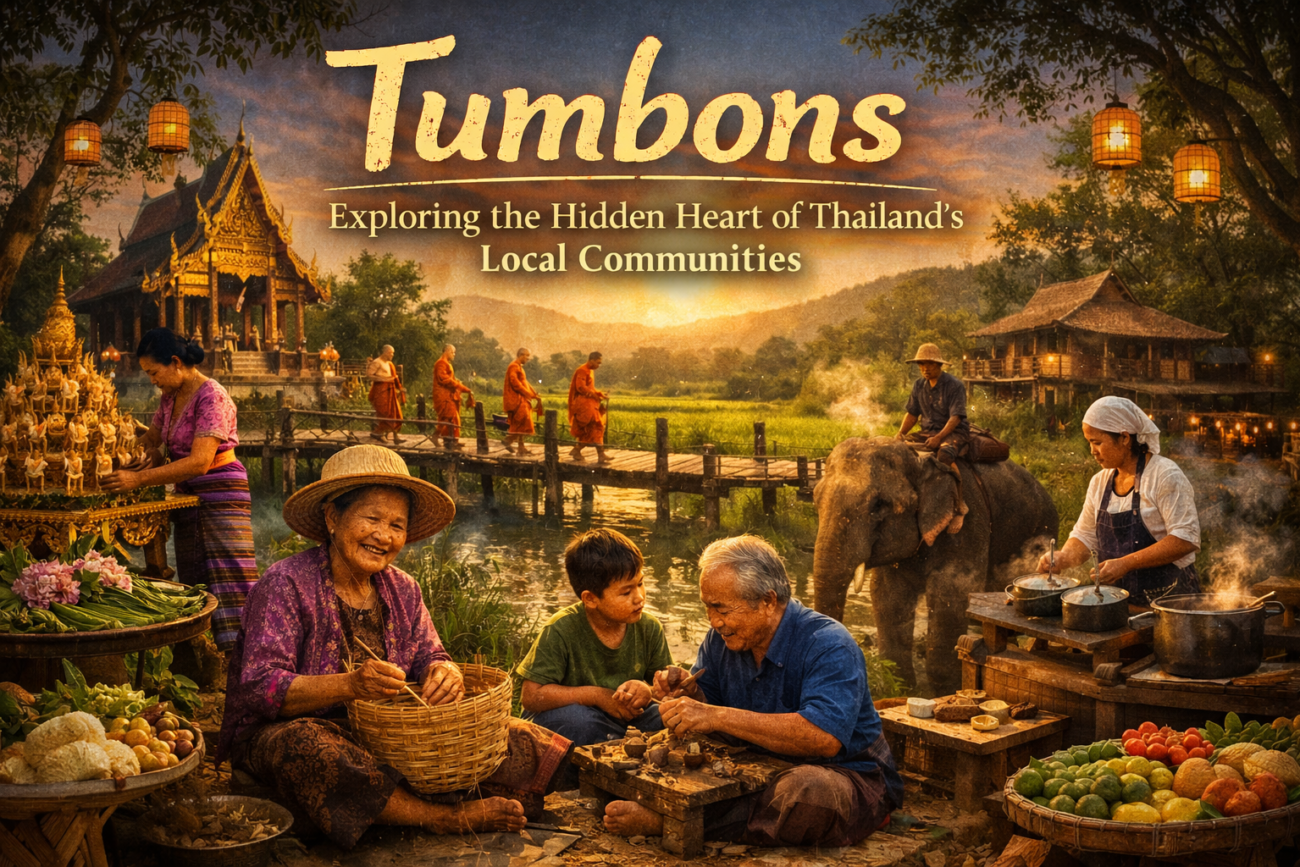
In the administrative structure of Thailand, Tumbons (also spelled tambons) represent the third level of governance, sitting below provinces and districts. While often overlooked by travelers and even policymakers, these subdistricts form the backbone of Thailand’s rural and semi-urban life. Each tumbon is made up of several villages and serves as a hub for local governance, cultural preservation, and community interaction. Far from being mere administrative units, tumbons embody the everyday rhythms and traditions that define Thai society.
Cultural Richness: Preserving Traditions at the Grassroots
Tumbons play a vital role in safeguarding Thailand’s cultural heritage. Local communities often organize festivals, religious ceremonies, and traditional performances that reflect centuries-old practices. These events are not staged for tourists but are genuine expressions of community life. From temple fairs to seasonal celebrations, provide a living archive of Thai traditions that remain vibrant and relevant.
In many tumbons, artisans continue to practice traditional crafts such as weaving, pottery, and wood carving. These skills are often passed down within families, preserving techniques that might otherwise disappear in a rapidly modernizing world. Cultural preservation is not just about maintaining the past; it also fosters a sense of pride and continuity among residents. By supporting these practices, ensure that Thailand’s cultural identity remains intact amidst changing times.
Economic Role: Small Communities with Big Impact
Economically, tumbons contribute significantly to Thailand’s local and national development. Agriculture remains a primary livelihood in many areas, with communities producing rice, fruits, and other crops that supply both domestic and international markets. In addition to farming, small-scale enterprises such as handicrafts and local food production play an important role in sustaining household incomes.
Government initiatives have also recognized the economic potential of tumbons. Programs aimed at promoting local products—often referred to as “One Tambon One Product” (OTOP)—have helped communities market their goods more effectively. These initiatives empower residents to become entrepreneurs while maintaining their cultural roots. As a result, are not only centers of tradition but also engines of grassroots economic growth.
Governance and Local Leadership: Empowering Grassroots Decision-Making
At the core of every tumbon is a localized governance system that ensures community voices are heard and addressed. Each tumbon is administered by a Tambon Administrative Organization (TAO), which is responsible for public services, infrastructure, and local development initiatives. These bodies act as a bridge between national policies and community needs, allowing for more tailored and responsive governance.
Local leadership within tumbons often reflects a deep understanding of community dynamics. Leaders are typically chosen based on trust, experience, and their connection to the area rather than political ambition alone. This creates a governance environment rooted in accountability and cooperation.
Environmental Stewardship: Living in Harmony with Nature
Tumbons are often closely connected to their natural surroundings, whether through agriculture, forests, or waterways. This relationship fosters a strong sense of environmental responsibility among residents. Many communities practice sustainable farming methods, water conservation, and forest preservation, ensuring that natural resources are protected for future generations.
In recent years, tumbons have become important players in environmental conservation efforts. Community-led initiatives such as reforestation projects, waste management programs, and eco-tourism ventures highlight their commitment to sustainability. By integrating traditional knowledge with modern environmental practices, offer valuable lessons in living harmoniously with nature.
Social Structure: Community Bonds and Collective Living
One of the most defining characteristics of tumbons is their strong sense of community. Social relationships are deeply interconnected, with neighbors often supporting one another in times of need. This collective spirit is evident in communal activities such as temple maintenance, local events, and volunteer initiatives. The social fabric of fosters a sense of belonging that is increasingly rare in urban environments.
Family structures within tumbons also tend to be close-knit, with multiple generations often living in proximity. Elders play an important role in guiding younger members, ensuring that values and traditions are preserved. This intergenerational connection strengthens community resilience and creates a supportive environment for personal and collective growth.
Tourism Potential: Discovering Authentic Thailand
While Thailand is famous for destinations like Bangkok and Chiang Mai, tumbons offer a different kind of travel experience—one rooted in authenticity. Visitors who venture into these areas can experience local life firsthand, from participating in traditional cooking to exploring rural landscapes. This form of community-based tourism provides a deeper understanding of Thai culture and creates meaningful interactions between travelers and residents.
Importantly, tourism in tumbons tends to be more sustainable and less disruptive than mass tourism. Because it is often community-driven, the benefits are distributed more evenly among residents. This helps prevent the negative impacts commonly associated with overcrowded tourist hotspots. By promoting responsible travel, have the potential to become key players in Thailand’s evolving tourism industry.
Challenges and Future Outlook: Balancing Growth and Preservation
Despite their strengths, tumbons face several challenges in the modern era. Urban migration has led many young people to leave rural areas in search of better opportunities, resulting in aging populations in some communities. Additionally, limited access to infrastructure and resources can hinder economic development and quality of life.
However, the future of tumbons is not without hope. Increased attention from government programs, along with growing interest in sustainable tourism, offers new opportunities for revitalization. By embracing innovation while preserving their cultural roots, can adapt to changing circumstances without losing their identity. The key lies in finding a balance between progress and tradition, ensuring that these communities continue to thrive.
FAQs
1. What is a tumbon in Thailand?
A tumbon is a subdistrict administrative unit in Thailand, consisting of several villages and serving as a key level of local governance.
2. Why are tumbons important?
They play a crucial role in preserving cultural traditions, supporting local economies, and maintaining strong community bonds.
3. Can tourists visit tumbons?
Yes, many tumbons welcome visitors and offer community-based tourism experiences that showcase authentic Thai life.
4. What is the OTOP program?
It stands for “One Tambon One Product,” a government initiative that promotes locally made goods from each tumbon.
5. What challenges do tumbons face today?
Common challenges include urban migration, limited infrastructure, and balancing modernization with cultural preservation.
Conclusion
Tumbons represent the heart and soul of Thailand, offering a window into the nation’s cultural richness and community spirit. While cities may showcase Thailand’s modern achievements, it is within these subdistricts that the country’s traditions and values truly come alive. From vibrant festivals to strong social bonds, tumbons embody a way of life that is both timeless and deeply meaningful.
