
Introduction
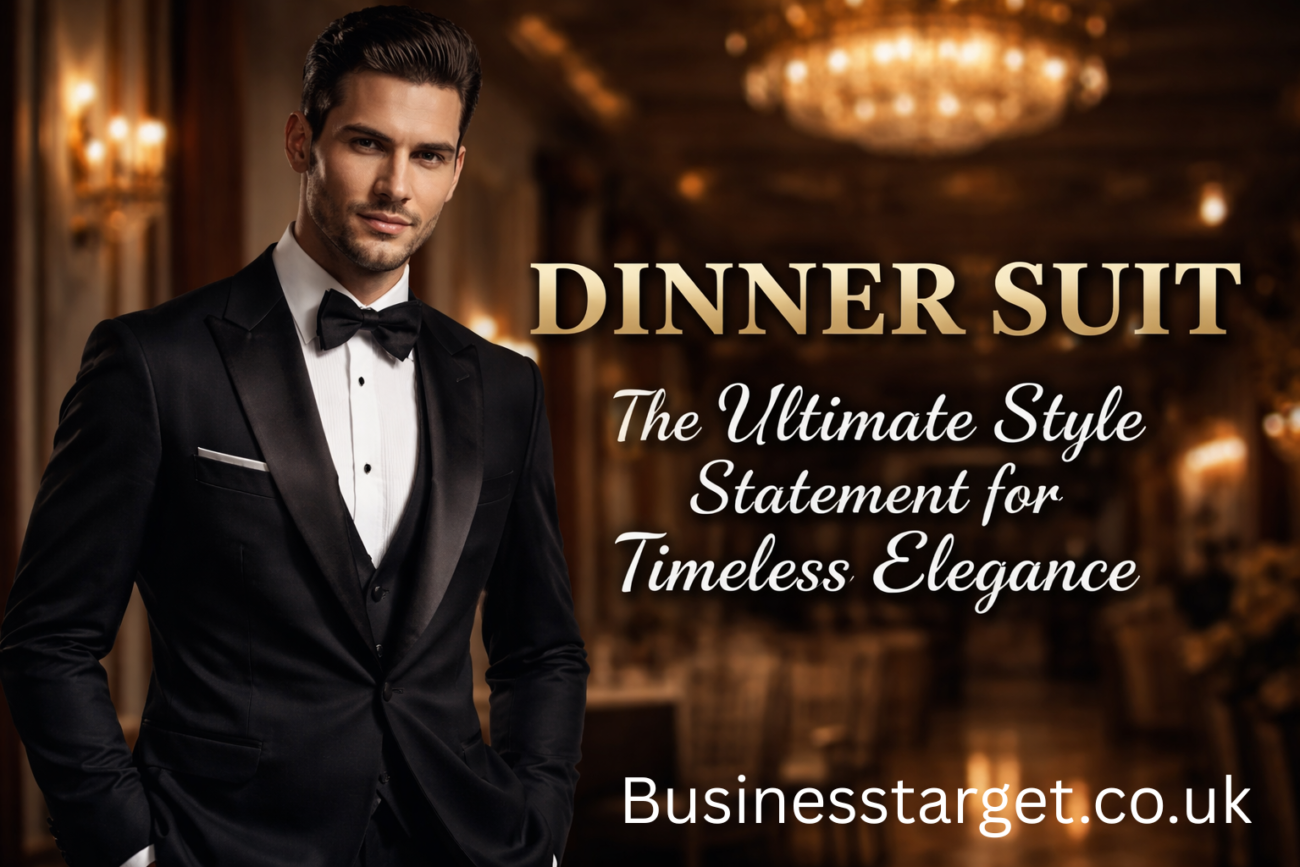
A Dinner Suit has long stood as a defining symbol of refinement and social grace. From red carpets to royal banquets, it continues to command respect in formal settings. For generations, this iconic attire has been associated with power, prestige, and polished taste.
When a man steps into a Dinner Suit, something shifts. Posture straightens. Confidence rises. The transformation isn’t just visual—it’s psychological. This garment speaks volumes without saying a word. It tells the world you understand tradition, yet you’re comfortable owning the spotlight.
Today, formalwear remains a cornerstone of classic men’s fashion. According to leading fashion authority , timeless tailoring is making a strong comeback as more men invest in quality over quantity. The Dinner Suit sits at the heart of this movement.
The History and Evolution of the Dinner Suit
Origins in 19th Century Britain
The story begins in Victorian England. In the 1860s, the Prince of Wales—later King Edward VII—commissioned a shorter evening coat to replace traditional tailcoats for informal dinners. This new jacket, worn at private gatherings, eventually evolved into what we now recognize as the Dinner Suit.
Its roots trace back to the elite tailoring houses of Savile Row, where master craftsmen refined the silhouette. British aristocracy quickly embraced the style, setting the foundation for modern black-tie attire.
Transition to American Tuxedo Culture
Across the Atlantic, the style gained popularity in the United States during the late 19th century. It was introduced at Tuxedo Park in New York, which gave rise to the American term “tuxedo.”
Despite regional differences in terminology, the essence remained the same: a sharp black jacket, satin lapels, and tailored trousers. Over time, the Dinner Suit became synonymous with high society events and evening sophistication.
Influence of Hollywood and Pop Culture
Cinema amplified its prestige. Think of James Bond emerging from the shadows in a perfectly cut black ensemble. The Dinner Suit became a symbol of charisma, intelligence, and calm authority.
From award shows to state dinners in London and New York, celebrities and dignitaries reinforced its elite status. Hollywood ensured it would never fade from public imagination.
Anatomy of a Perfect Dinner Suit
Understanding its structure helps you appreciate why it works so well.
Jacket Styles
The jacket defines the character of the Dinner Suit. There are three primary lapel styles:
-
Peak Lapel: Bold and authoritative
-
Shawl Lapel: Smooth and elegant
-
Notch Lapel: Slightly less formal but increasingly accepted
Peak and shawl lapels remain the gold standard for black-tie events.
Single-button closures are traditional, while double-breasted variations offer a modern edge.
Trousers and Waist Coverings
Trousers feature a satin stripe along the outer seam. They’re designed without belt loops, encouraging braces (suspenders) for a cleaner line.
Waist coverings include:
-
Cummerbund
-
Waistcoat
-
Low-cut vest
Each option adds depth while maintaining formal balance.
Fabrics and Materials
Wool remains the most popular fabric due to its breathability and structure. However, velvet jackets and blended fabrics are gaining traction in contemporary settings.
Quality matters. A well-constructed Dinner Suit drapes naturally, avoiding stiffness or sagging.
How to Choose the Right Dinner Suit
Selecting the right formalwear requires attention to detail.
Fit and Tailoring
Fit is everything. Off-the-rack options can work, but tailoring elevates the experience. A properly tailored Dinner Suit should:
-
Sit snugly at the shoulders
-
Taper gently at the waist
-
Allow comfortable arm movement
-
Break lightly at the shoe
Tailoring demonstrates expertise and commitment to quality—key aspects of E-E-A-T principles in fashion credibility.
Color Selection
Black remains the classic choice. Midnight blue, however, appears richer under artificial lighting.
Modern alternatives include:
-
Deep burgundy
-
Forest green
-
Ivory (for summer events)
Choose based on occasion and personal style confidence.
Accessories That Elevate the Look
Accessories can make or break the ensemble:
-
Crisp white dress shirt
-
Black bow tie (hand-tied preferred)
-
Patent leather shoes
-
Silk pocket square
Subtle details amplify sophistication.
Occasions to Wear a Dinner Suit
Weddings
Black-tie weddings demand elegance. A Dinner Suit ensures you meet the dress code while standing out respectfully.
Gala Dinners
Charity galas and formal banquets often specify black tie. This attire aligns perfectly with such prestigious gatherings.
Award Ceremonies
From global film events to cultural honors, formalwear dominates these occasions. The Dinner Suit maintains its position as the ultimate formal statement.
Styling Tips from Fashion Experts
Experts recommend focusing on proportion. For instance:
-
Keep lapel width proportional to shoulder width.
-
Match satin finishes across jacket and trousers.
-
Avoid oversized bow ties.
Confidence plays a vital role. When you feel comfortable, it shows.
Fashion editors at GQ often emphasize timeless tailoring over fleeting trends. Investing in quality guarantees longevity.
Common Mistakes to Avoid
Even the finest garment can fail if styled poorly.
Avoid these errors:
-
Wearing a long necktie instead of a bow tie
-
Choosing ill-fitting trousers
-
Ignoring proper shoe polish
-
Over-accessorizing
-
Wearing sports watches
Remember, simplicity signals elegance.
Modern Trends in Dinner Suit Fashion
While tradition remains strong, modern interpretations are evolving.
Velvet Revival
Velvet jackets introduce texture and depth. They’re particularly popular at winter events.
Slim Silhouettes
Contemporary tailoring leans toward slimmer cuts without sacrificing comfort.
Sustainable Fabrics
Eco-conscious consumers now seek ethically sourced wool and sustainable linings.
Still, the foundational structure of the Dinner Suit remains unchanged. Trends enhance it; they don’t replace it.
Maintenance and Care Guide
Proper care extends lifespan significantly.
Cleaning
-
Dry clean sparingly
-
Spot clean minor stains
-
Air out after use
Storage
-
Use wooden hangers
-
Store in breathable garment bags
-
Avoid plastic covers
Long-Term Preservation
Rotate formalwear use. If worn frequently, consider owning two variations.
With care, a high-quality Dinner Suit can last decades.
FAQs
1. What is the difference between a tuxedo and a Dinner Suit?
They are essentially the same garment. “Dinner Suit” is the British term, while “tuxedo” is American.
2. Can I wear a Dinner Suit to a wedding?
Yes, especially for black-tie weddings. It’s one of the most appropriate choices.
3. Is midnight blue better than black?
Midnight blue often appears richer under evening lighting, but both are equally formal.
4. Do I need a cummerbund?
Not always. A waistcoat can serve the same purpose. The key is covering the waistband.
5. Can I wear regular dress shoes?
Patent leather or highly polished black Oxfords are recommended for formal accuracy.
6. How often should I dry clean it?
Only when necessary. Over-cleaning can damage fabric fibers.
7. Is a Dinner Suit suitable for daytime events?
Traditionally, it’s designed for evening wear. Daytime formal events usually require different attire.
Conclusion
The Dinner Suit remains unmatched in its ability to convey refinement, authority, and timeless charm. From its aristocratic origins in Britain to its cinematic immortality through icons like James Bond, it has proven its enduring relevance.
In a world chasing trends, this garment stands firm. It doesn’t shout for attention—it commands it quietly. When tailored well and worn with confidence, it becomes more than clothing. It becomes identity.
