
Introduction
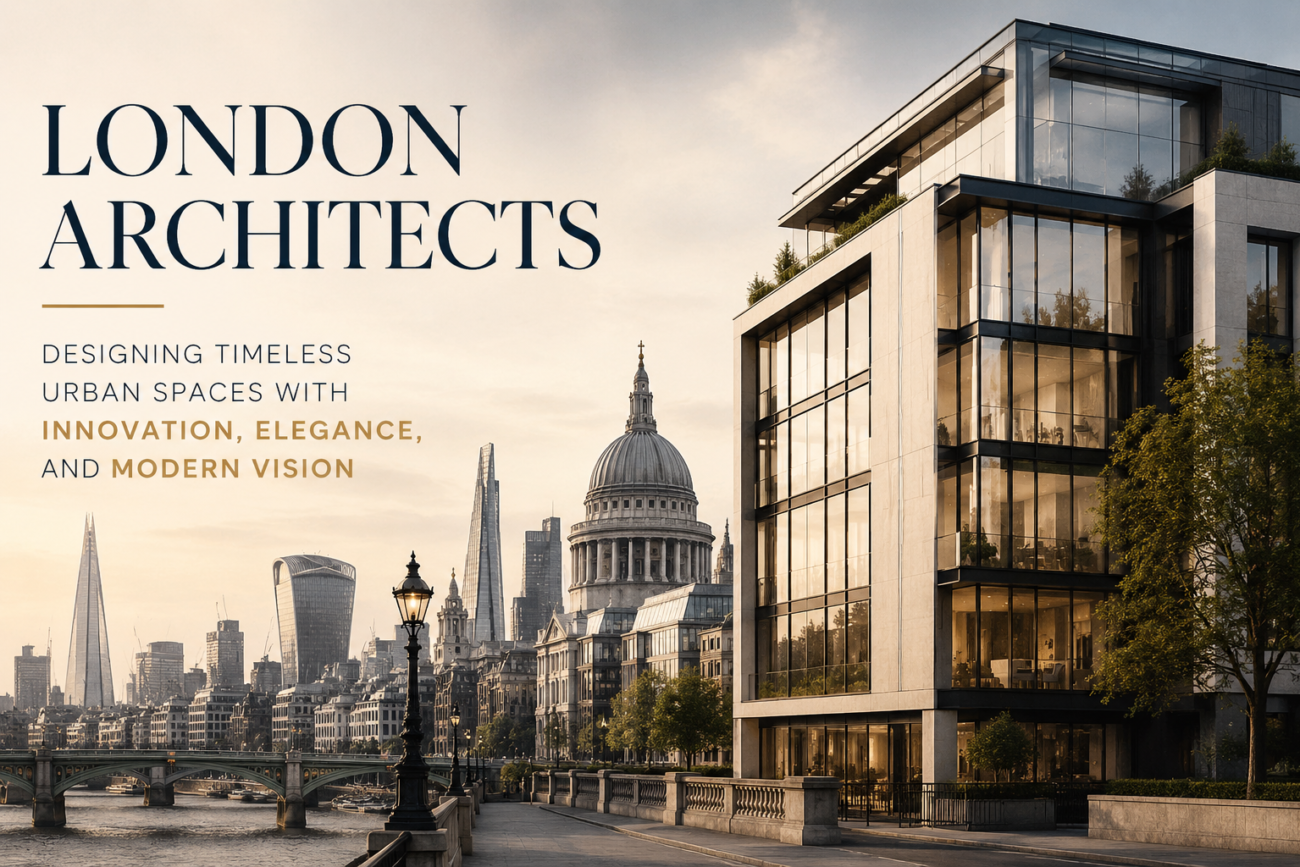
London is widely recognized as one of the world’s most architecturally diverse and historically rich cities. Its skyline reflects centuries of artistic evolution, cultural transformation, and urban development that blend traditional heritage with cutting-edge innovation. From iconic Victorian buildings and Georgian townhouses to sleek glass skyscrapers and futuristic commercial structures, London architects have played a vital role in shaping the city’s visual identity. Their work represents a balance between preserving historical character and embracing contemporary design philosophies that meet the demands of modern urban living.
Historical Influence on London’s Architectural Excellence
The architectural legacy of London is deeply connected to its rich historical background. Over centuries, different design movements have shaped the city’s appearance, creating a unique blend of styles that coexist harmoniously. Georgian elegance introduced symmetry and proportion, while Victorian architecture added decorative detail and grandeur. Later, modernist influences transformed the city through minimalism, industrial materials, and functional design principles. London architects often draw inspiration from these historical periods while integrating modern technologies and sustainable practices into contemporary projects.
Preserving historical architecture remains one of the most important responsibilities of London architects today. Many heritage buildings require careful restoration and adaptation to meet modern standards without losing their original charm. Architects must work within strict planning regulations while respecting the cultural significance of historical structures. This challenge encourages creativity and innovation because architects must find ways to modernize buildings while maintaining their historical integrity. The ability to combine tradition with contemporary functionality has become one of the defining strengths of architectural design in London.
Innovation and Modern Urban Development
Modern London architects are known for their innovative approach to urban development and architectural design. As the city continues to grow, architects face the challenge of creating efficient and visually striking spaces within limited urban areas. This has led to the rise of high-rise buildings, mixed-use developments, and smart city planning that prioritize both functionality and aesthetics. Contemporary architectural projects often feature glass facades, open spaces, energy-efficient systems, and advanced construction technologies designed to improve urban living experiences.
Innovation in London architecture also focuses heavily on adaptability and future-oriented design. Architects must anticipate changing lifestyles, environmental concerns, and technological advancements while planning buildings that remain relevant for decades. Flexible interior layouts, integrated digital systems, and sustainable construction materials have become increasingly common in modern developments. By embracing creativity and innovation, London architects continue to redefine urban spaces in ways that support economic growth, social interaction, and environmental responsibility while maintaining the city’s global architectural reputation.
Sustainability and Environmentally Responsible Design
Sustainability has become one of the most important priorities in modern architecture, and London architects are leading efforts to create environmentally responsible urban spaces. Rising concerns about climate change, pollution, and energy consumption have encouraged architects to adopt green building practices that reduce environmental impact. Modern projects often incorporate renewable energy systems, energy-efficient insulation, rainwater harvesting technologies, and sustainable construction materials to minimize carbon emissions and improve long-term efficiency.
Green architecture in London also emphasizes the importance of public spaces, natural lighting, and improved air quality within urban environments. Rooftop gardens, green walls, and eco-friendly landscaping have become increasingly popular features in residential and commercial developments. Architects aim to create healthier and more sustainable living conditions while enhancing the visual appeal of urban spaces. Sustainable design is no longer viewed as an optional trend but rather as an essential responsibility in shaping the future of cities. London architects continue to demonstrate how environmental awareness and architectural elegance can work together successfully.
Luxury Residential Design and Urban Living
London is home to some of the world’s most prestigious residential architecture, and architects play a key role in creating luxurious yet functional living spaces. High-end apartments, modern penthouses, and restored historic homes reflect a combination of sophistication, comfort, and innovative design. London architects focus on maximizing natural light, optimizing space, and incorporating premium materials that enhance both aesthetics and practicality. Every detail, from interior layouts to exterior facades, is carefully considered to create homes that meet the expectations of modern urban residents.
Urban living in London requires architects to address challenges such as limited space, population density, and evolving lifestyle preferences. As a result, modern residential designs often emphasize multifunctional spaces, smart home technology, and community-oriented environments. Architects increasingly create developments that include shared amenities such as gardens, fitness centers, and coworking spaces to improve quality of life for residents. This approach reflects a broader understanding of how architecture influences social interaction, comfort, London Architects emotional well-being within rapidly growing cities.
Commercial Architecture and Iconic Landmarks
Commercial architecture has significantly contributed to London’s reputation as a global financial London Architects cultural center. Architects have designed some of the city’s most recognizable landmarks, including office towers, shopping districts, entertainment venues, and cultural institutions. These structures not only support business and tourism but also symbolize innovation, ambition, and modern identity. Contemporary commercial architecture in London often combines dramatic visual impact with practical efficiency, creating buildings that stand out while serving functional business purposes.
Architects designing commercial projects must carefully balance aesthetics, sustainability, accessibility, and user experience. Modern office buildings increasingly prioritize employee well-being through open layouts, natural lighting, collaborative spaces, London Architects environmentally friendly features. Retail and hospitality architecture also focus heavily on customer experience by creating visually engaging and comfortable environments. London’s iconic skyline continues to evolve through ambitious architectural projects that redefine modern urban landscapes while attracting global attention and investment. These landmark designs demonstrate how architecture can influence both economic development and cultural identity.
FAQs
What makes London architecture unique?
London architecture combines historical styles with modern innovation, creating a diverse urban landscape that reflects centuries of cultural and architectural evolution.
Why are London architects internationally respected?
London architects are known for blending creativity, sustainability, historical preservation, and advanced urban planning in their designs.
How do architects preserve historical buildings in London?
Architects carefully restore and modernize heritage structures while maintaining original design features London Architects complying with preservation regulations.
What role does sustainability play in modern architecture?
Sustainability helps reduce environmental impact through energy-efficient systems, eco-friendly materials, London Architects green urban planning strategies.
Do London architects focus on residential and commercial projects?
Yes, London architects work on a wide range of projects including luxury homes, apartment complexes, office towers, cultural institutions, and public spaces.
Conclusion
London architects continue to shape one of the world’s most dynamic urban environments through creativity, innovation, and thoughtful design. Their ability to blend historical elegance with modern vision has transformed London into a city where tradition and contemporary architecture coexist harmoniously. From sustainable developments and luxury residences to iconic commercial landmarks, architects contribute significantly to the city’s identity, functionality, and global influence.
